

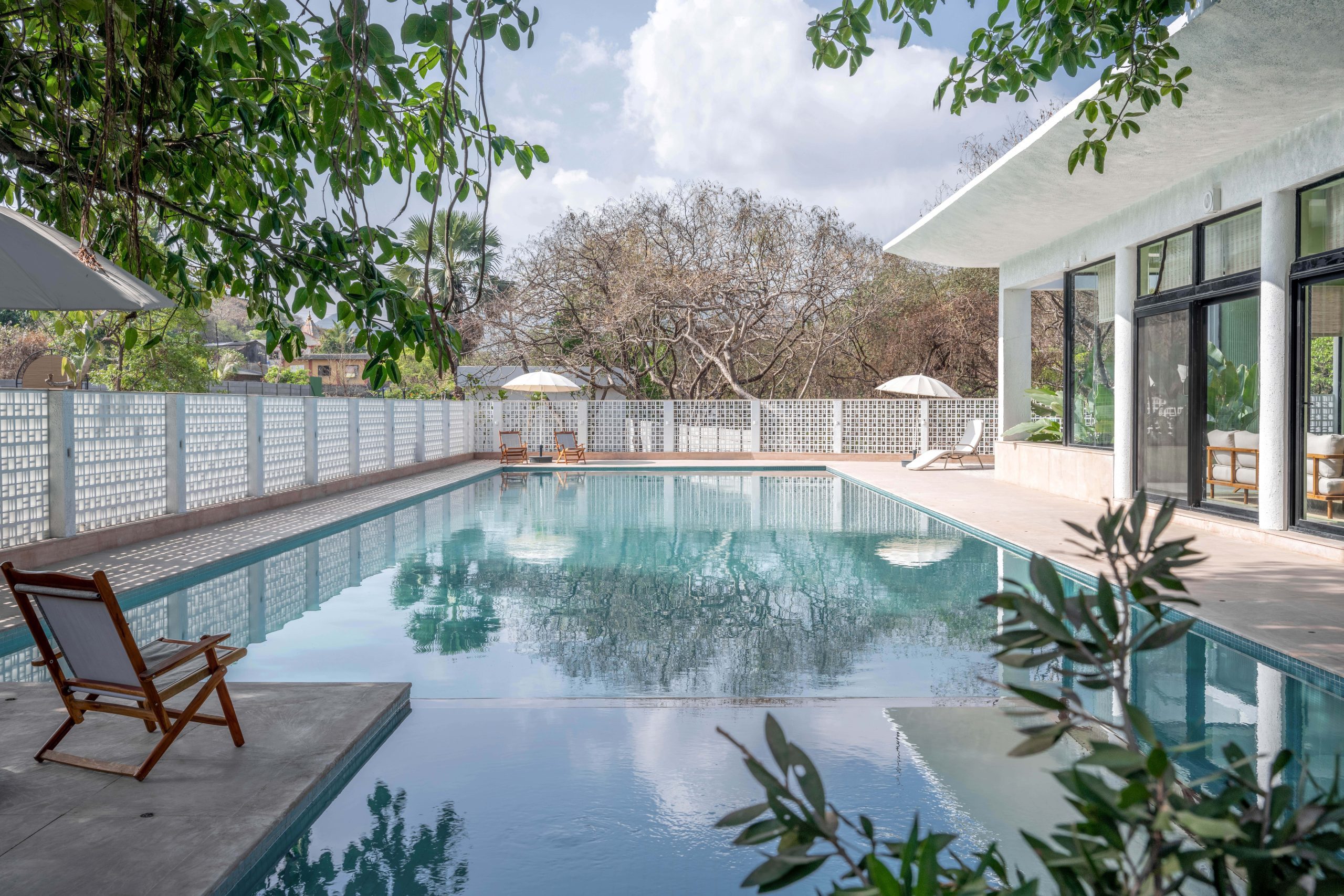
Office design as a reflection of brand perception
Your office is often your first physical brand touchpoint. Clients walking into a reception area instantly sense:- professionalism
- scale of operations
- culture and values
- seriousness toward employees and customers
Office design and employee productivity
Productivity is not just about working fast; it is about working well, with clarity and focus. Office design plays a central role in this by influencing:- concentration and cognitive performance
- physical comfort
- emotional wellbeing
- ease of collaboration
- access to necessary tools and technology
1. Layout and space planning
Poorly planned seating layouts can create noise, distraction, and movement bottlenecks. Conversely, thoughtful layouts balance open collaboration zones with quiet focus areas. Flexible seating, hot-desking, and agile work zones support diverse working styles. Businesses working with experienced real estate consulting companies and workspace planners ensure that square footage is utilised optimally rather than just filled with furniture.2. Lighting and ventilation
Natural light is one of the strongest productivity boosters. Access to daylight improves mood, reduces fatigue, and enhances alertness. Similarly, adequate ventilation and indoor air quality affect cognitive performance. These factors are supported by Facility management solutions which oversee HVAC systems, energy efficiency, and maintenance of building infrastructure.3. Ergonomics and employee comfort
Ergonomic chairs, correct desk heights, and posture-conscious workstations reduce fatigue and absenteeism. Well-designed breakout areas, wellness rooms, and relaxation zones help employees recharge, leading to sustained productivity.4. Noise control and acoustics
Open offices encourage collaboration but also amplify noise. Acoustic panelling, quiet cabins, sound masking systems, and space zoning help strike the right balance.5. Technology-enabled design
Smart meeting rooms, digital booking systems, and collaborative displays ensure seamless communication whether teams are remote, hybrid, or in-office.Office design and talent attraction
Today’s workforce cares deeply about workplace experience. A well-designed office:- signals professionalism
- communicates care for employees
- enhances pride in the organisation
- becomes a recruitment advantage
The role of facility management in sustaining great office design
Design alone is not enough – it must function daily. This is where Integrated Facility Management and expert facility management solutions come in. They ensure that beautifully designed offices remain:- clean
- safe
- compliant
- energy efficient
- operationally reliable
- housekeeping and hygiene management
- asset and equipment maintenance
- energy and utilities management
- security and access control
- workplace health and safety
- sustainability initiatives
Office design and psychological impact
Design also influences behaviour and emotional response.Colours
- Blue improves focus and calmness
- Yellow stimulates creativity
- Green supports balance and relaxation
Spatial openness
Open layouts foster transparency and approachability. Closed layouts convey authority and confidentiality. The right mix depends on organisational culture.Biophilic design
Plants, natural textures, outdoor views, and organic shapes reduce stress and improve cognitive recovery.Sense of belonging
Graphics, brand messaging, and mission statements integrated within the workspace reinforce shared identity.What businesses often get wrong about office design
Many organisations treat design as a one-time aesthetic project rather than a strategic investment. Some common misconceptions include:- prioritising appearance over function
- ignoring acoustics and lighting
- underestimating storage and circulation space
- designing without facility management input
- not planning for future growth
- ignoring actual employee work patterns
Designing for hybrid and future work models
The rise of hybrid work has permanently changed office expectations. Workplaces now integrate:- collaboration-first zones
- digital conferencing rooms
- touchdown workstations
- flexible shared spaces instead of fixed desks
Sustainability and ESG in office design
Sustainability is becoming a defining component of brand perception. Offices today increasingly incorporate:- energy-efficient lighting
- water-saving fixtures
- waste segregation systems
- indoor air monitoring
- green materials
Final Thought
Office design is no longer just about aesthetics; it is about performance, culture, and competitive advantage. A well-designed workspace strengthens brand perception, enhances productivity, and reflects organisational values. The most successful businesses combine thoughtful design with efficient operations through Facility management solutions and strong Integrated Facility Management frameworks. As companies evolve, those that treat office design as a strategic investment rather than an expense will build stronger brands, happier teams, and more resilient businesses.Projects by SILA
30 Little Gibbs, Malabar Hill, Mumbai
30 Little Gibbs is located on the peaceful stretch of Little Gibbs Road, Malabar Hill, and offers panoramic views of South Mumbai’s iconic cityscapes. Tailored for like-minded families, this exclusive address ensures complete privacy at the heart of the Hill. Inspired by old-world Bombay, the architecture seamlessly blends yesteryear charm with contemporary Art Deco elegance. More than just a home, 30 Little Gibbs is meticulously curated for unparalleled comfort and functionality.NINE kemps Corner, Mumbai
Kemps Corner, Mumbai In the heart of Mumbai’s prestigious neighbourhood, Nine Kemps Corner offers a prime location near the Kemps Corner flyover and captivating views of South Mumbai. Designed for modern living, it fosters a strong community spirit with shared values. The architecture combines old Bombay’s charm with contemporary sophistication. With amenities like a spacious banquet hall, garden and family/games room it’s an ideal choice for those who value family and tradition.About SILA
SILA is one of the leading real estate consulting companies in Mumbai with a tech-driven approach, offering facility management services and real estate advisory. Our expertise as a south Mumbai real estate developer ensures that our projects are maintained to the highest standards, providing residents with an unparalleled living experience. We are committed to delivering excellence, making us one of the top real estate companies in Mumbai.Industries We serve –
Commercial Offices & Buildings | Manufacturing & Heavy Industrial Facilities | Residential Complexes & Townships | Hotels & Campuses | Airports & Malls | IT Parks & Data Centers | Warehousing & Logistics Parks | Banks & RetailPresent in 125 cities –
Ahmedabad | Baroda | Bengaluru | Chennai | Bhubaneswar | Delhi | Gurugram | Noida | Kolkata | Hyderabad | Kochi | Mumbai | Pune & moreAlso Read: Commercial Leasing Mistakes First-Time Business Owners Make
FAQs
1. What types of properties do you offer?
We specialize in residential real estate in the Mumbai Metropolitan Region (MMR) and are currently constructing over 750,000 sq. ft. across our projects.
2. How do I find out more about your projects?
You can contact us via phone, email, or through the contact form on our website. We are available to assist you with any queries or concerns you may have.
3. Are the properties RERA registered?
Yes, all our projects are registered under the Real Estate Regulatory Authority (RERA) to ensure complete transparency and compliance with government regulations.
4. What are the benefits of buying a property from SILA?
We provide high-quality construction, timely delivery, transparent dealings, and excellent after-sales service. Our properties are also located in prime areas with modern amenities.
About Author -

Aniket Sheth
The insightful content in this blog is curated by Aniket Sheth, our esteemed Senior Vice President of Operations. With an impressive professional journey spanning over 13 years, Aniket has held key positions at prestigious brands, showcasing his exceptional leadership skills.
Aniket’s educational background is marked by an MBA from Cornell University, which laid the foundation for his successful career. He began his professional journey at EY in New York, contributing significantly to enhancing and implementing engagements for Fortune 500 companies.
Aniket’s strategic acumen, proficiency in asset management, and forward-thinking innovation have been instrumental in helping companies streamline their operations and achieve substantial cost reductions. His wealth of experience brings a unique perspective to the world of facilities management, making his insights invaluable for businesses seeking operational excellence.
