

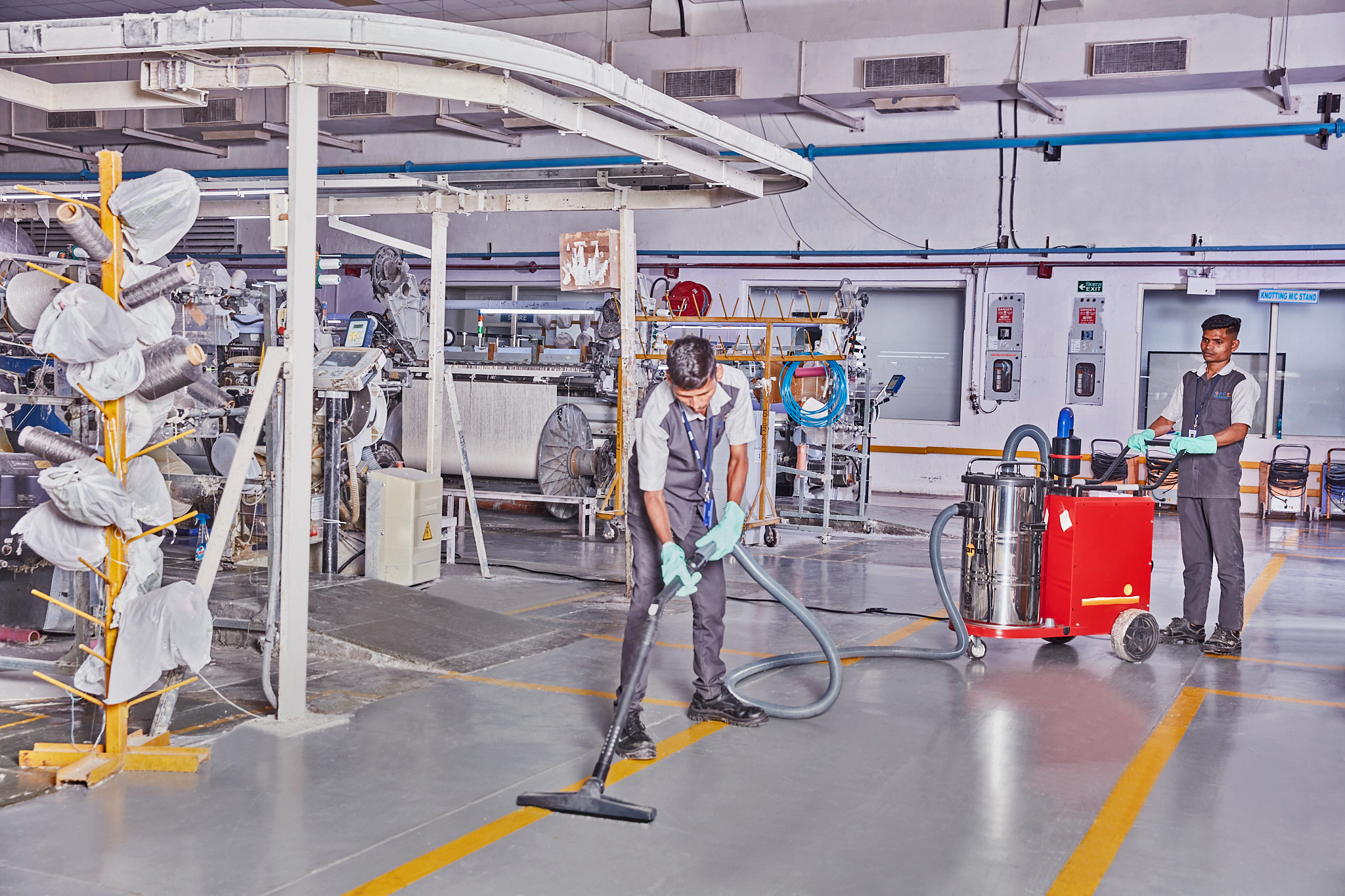
The Hidden Link Between Operations and Asset Value
Buildings are not static structures. They are living systems made up of mechanical, electrical, plumbing, structural, safety, and digital components that require constant care. Professional Facility management solutions ensure these systems function optimally throughout the building lifecycle. When operational insights are incorporated early through FM360, assets are designed not just for aesthetics or compliance, but for long-term maintainability and efficiency. Without such foresight and management:- Equipment fails prematurely
- Maintenance costs escalate
- Energy consumption rises
- Safety risks increase
- Occupant satisfaction declines
Deferred Maintenance: The Silent Value Killer
One of the most damaging consequences of poor management is deferred maintenance — postponing necessary repairs to save short-term costs. Examples include:- Ignoring minor leaks that later cause structural damage
- Delaying HVAC servicing until systems fail
- Skipping façade inspections
- Neglecting waterproofing and drainage
- Allowing elevators to operate beyond recommended service cycles
Energy Inefficiency and Rising Operating Costs
Energy expenses are one of the largest recurring costs for any property. Poorly managed buildings often suffer from:- Inefficient HVAC systems
- Outdated lighting
- Poor insulation
- Unoptimized automation systems
- Lack of energy monitoring
- Energy audits
- Smart building technologies
- Automation controls
- Sustainable practices
- Performance benchmarking
Safety Failures and Legal Liabilities
Safety lapses can destroy asset value overnight. Poorly maintained fire systems, emergency exits, electrical infrastructure, and structural elements expose owners to severe legal, financial, and reputational risks. Common failures include:- Non-functional fire alarms or sprinklers
- Blocked evacuation routes
- Faulty electrical panels
- Non-compliant safety certifications
- Inadequate security systems
Tenant Dissatisfaction and Occupancy Decline
Tenants do not experience a building through its architecture — they experience it through daily operations. Poor housekeeping, unreliable utilities, slow response times, and malfunctioning amenities lead to frustration and eventual attrition. For commercial properties, this means:- Higher vacancy rates
- Lower lease renewals
- Increased marketing costs
- Reduced rental premiums
Brand and Reputation Damage
Reputation is one of the most fragile components of real estate value. A poorly maintained property quickly gains a negative perception in the market. Examples include:- Corporate offices avoiding a building due to operational issues
- Retail brands relocating from underperforming malls
- Buyers rejecting residential projects with maintenance complaints
Accelerated Physical Deterioration
Buildings naturally age, but poor management accelerates this process dramatically. Without proper upkeep:- Paint and finishes degrade faster
- Water ingress damages structures
- Mechanical systems wear out prematurely
- Corrosion spreads unchecked
- Landscaping declines
Technology Neglect in Modern Buildings
Today’s buildings rely heavily on technology, including:- Building Management Systems (BMS)
- Access control
- Surveillance
- IoT sensors
- Automation platforms
- Inefficient operations
- Security vulnerabilities
- Data loss
- Increased manual workload
- Reduced smart-building capabilities
Impact on Investor Confidence
Institutional investors evaluate assets based on predictable returns and risk exposure. Poor operational management introduces uncertainty in both areas. Key concerns include:- Unplanned capital expenditures
- Compliance risks
- Tenant churn
- Declining income streams
- Insurance challenges
Sustainability and ESG Implications
Environmental, Social, and Governance (ESG) considerations are now central to asset valuation. Buildings that waste resources or fail to meet sustainability standards face:- Higher operating costs
- Reduced tenant appeal
- Regulatory penalties
- Limited financing options
- Energy optimization
- Water conservation
- Waste management
- Indoor air quality monitoring
- Sustainable procurement
Reactive vs Preventive Management: A Critical Divide
Poor management is typically reactive — problems are addressed only after they occur. Effective Facilities and Management is preventive and strategic. Reactive approach:- Short-term fixes
- Emergency repairs
- Higher lifecycle costs
- Operational disruptions
- Scheduled maintenance
- Predictive analytics
- Continuous monitoring
- Cost optimization
- Long-term asset preservation
Why Professional Facility Management Matters More Than Ever
Real estate assets today are more complex than ever before. They combine physical infrastructure, digital systems, regulatory requirements, and human experience. Professional facility management services deliver:- Operational efficiency
- Risk mitigation
- Cost control
- Tenant satisfaction
- Sustainability performance
- Data-driven decision-making
Final Thoughts: Operations Define Long-Term Value
Construction creates an asset — management preserves it. Poor operations rarely make headlines, but they quietly erode value through inefficiency, deterioration, safety risks, and tenant dissatisfaction. By the time the impact becomes visible, significant damage may already be done. Strategic Facility management solutions, delivered through professional Integrated Facility Management and strengthened by design-stage consulting like FM360, protect both the physical asset and its financial performance. As real estate markets mature, operational excellence is no longer optional — it is fundamental. Owners who invest in high-quality facility services management safeguard their assets, enhance reputation, attract premium tenants, and ensure long-term returns. Those who neglect it risk watching their property’s value decline silently, year after year. Also Read: How Facility Downtime Impacts RevenueFAQs
1. What is Facilities and Management, and why is it important?
Facilities and Management refers to the strategic coordination of the physical workplace with the people and work of an organization. It ensures buildings are functional, safe, efficient, and conducive to productivity. FM covers everything from maintenance and operations to safety, space planning, and sustainability. It plays a critical role in reducing costs, supporting employee well-being, and aligning the physical environment with organizational goals.
2. What are the core responsibilities of a Facilities Management team?
Key responsibilities include:
- Maintenance and Operations: Routine upkeep, cleaning, repairs, and inspections.
- Space Planning: Optimizing physical space for productivity.
- Safety and Compliance: Meeting health, safety, and environmental regulations.
- Security: Protecting occupants and assets.
- Sustainability: Implementing green, energy-saving practices.
- Cost Control: Budgeting and resource allocation.
- Emergency Management: Ensuring business continuity during crises.
- Technology Integration: Using tools like CMMS and building automation systems.
3. Who is involved in delivering Facilities Management services?
Facilities Management is delivered by a diverse team, including:
- Facilities Managers: Lead strategy, budgeting, and operations.
- Maintenance Staff: Handle repairs and equipment upkeep.
- Cleaning Staff: Maintain cleanliness and hygiene.
- Security Personnel: Ensure the safety of people and property.
- Support Staff: Includes landscaping, groundskeeping, and admin teams.
Each role is essential for the effective functioning of a facility.
4. How does Facilities and Management contribute to cost savings?
Efficient facilities and management can significantly reduce operational costs through:
- Preventive maintenance that avoids expensive repairs.
- Optimized energy usage via smart systems and automation.
- Better space utilization, reducing real estate overhead.
- Streamlined operations and vendor management.
- Lifecycle management of assets, avoiding early replacements.
These practices lead to long-term financial savings while improving performance.
About SILA -
A Real Estate platform driven by an entrepreneurial spirit.
Our businesses include Real Estate Services which offer Facility Management Solutions, Material Handling Solutions and Real Estate Advisory. Our other business is Real Estate Development. We have a diverse client base in various sectors which include large Corporates, Real Estate Funds, Landowners and Developers.
Over the last decade, SILA has scaled efficiently, managing over 350 million square feet of assets, with over 30,000 employees pan India. The platform is backed by Norwest Venture Partners and Samara Capital Group in our Real Estate Services and Development arms, respectively.
SILA is one of the best property management companies in Bangalore, Mumbai, Delhi, Chennai, Hyderabad, Pune & more.
SILA is among the top facility management companies in India, offering comprehensive Facility management services. As a leading facility services management company, SILA provides tailored FM solutions, including housekeeping services in Bangalore. Leveraging our expertise, we ensure seamless property management for clients nationwide. Whether you require housekeeping agency support or specialized facility management solutions, SILA delivers excellence in every aspect of your Housekeeping services in India, property’s upkeep and maintenance. With a proven track record in Facility Management India, SILA continues to set benchmarks in efficient and sustainable property management.
About Author -

Aniket Sheth
The insightful content in this blog is curated by Aniket Sheth, our esteemed Senior Vice President of Operations. With an impressive professional journey spanning over 13 years, Aniket has held key positions at prestigious brands, showcasing his exceptional leadership skills.
Aniket’s educational background is marked by an MBA from Cornell University, which laid the foundation for his successful career. He began his professional journey at EY in New York, contributing significantly to enhancing and implementing engagements for Fortune 500 companies.
Aniket’s strategic acumen, proficiency in asset management, and forward-thinking innovation have been instrumental in helping companies streamline their operations and achieve substantial cost reductions. His wealth of experience brings a unique perspective to the world of facilities management, making his insights invaluable for businesses seeking operational excellence.
