

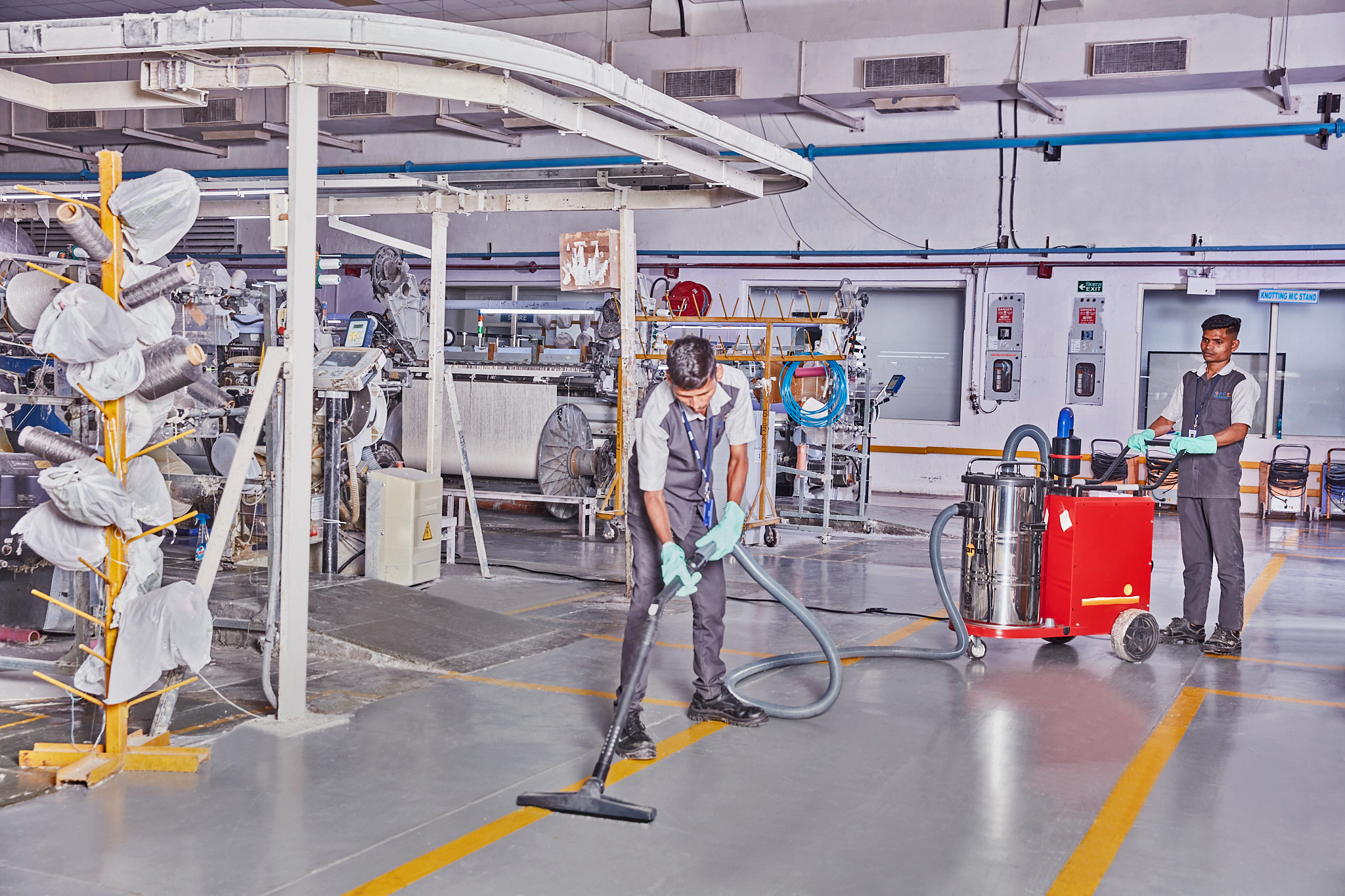
Vanity Metrics vs Outcome-Driven Metrics
Not all metrics are meaningful. Many organizations still rely heavily on vanity metrics to represent performance because they are easy to collect and look impressive on dashboards — but they fail to capture true value.Examples of vanity metrics
- Number of tasks closed
- Number of tickets raised
- Square feet cleaned
- Number of staff deployed
- Number of inspections completed
Outcome-driven metrics focus on impact
Outcome-driven metrics answer:- Are facilities safer?
- Are operating costs lower?
- Is productivity higher?
- Are failures fewer?
- Is compliance stronger?
Why Measuring Facilities Management Performance Matters
Facilities management influences almost every aspect of business operations, from employee comfort to uptime of mission-critical equipment. Strong measurement systems supported by Integrated Facility Management practices deliver benefits such as:- evidence-based decision making
- better budgeting and resource allocation
- improved asset reliability
- stronger safety and compliance culture
- enhanced stakeholder confidence
- measurable ROI from facility management services
Core KPI Categories in Facilities Management
To evaluate Facility management India effectively, KPIs should be grouped into focused categories:- operational performance
- asset performance
- financial performance
- health, safety and environment
- occupant experience
- sustainability
- vendor and workforce performance
- compliance and governance
1. Operational Performance KPIs
These KPIs measure the reliability and continuity of facility operations.Downtime and uptime metrics
Outcome-driven metric:- percentage uptime of critical systems
- number of breakdown calls attended
Response and resolution time
Key KPIs include:- average response time to service request
- average time to full resolution
- first-time fix rate
Planned vs unplanned maintenance ratio
A mature facility services management program consistently shows:- higher preventive maintenance percentage
- lower unplanned failure events
2. Asset Performance KPIs
Facilities management is deeply tied to life cycle management of assets such as HVAC systems, electrical infrastructure, elevators, data center cooling, and production-support equipment.Mean Time Between Failures (MTBF)
This measures asset reliability. Higher MTBF indicates strong maintenance management.Mean Time To Repair (MTTR)
Lower MTTR reflects efficiency of technicians, availability of spare parts, and strong vendor coordination.Asset life cycle cost
Outcome-driven metric considers:- procurement cost
- operating cost
- maintenance cost
- end-of-life disposal
3. Financial Performance KPIs
Facilities management has a direct impact on financial outcomes — but many organizations fail to correlate them properly.Cost per square foot
Includes maintenance, utilities, housekeeping and operational support. Reducing this cost without sacrificing quality indicates strong managerial efficiency.Energy consumption per square foot
Energy is one of the largest operational expenses. Data-driven Integrated Facility Management frameworks actively monitor:- HVAC performance
- lighting efficiency
- equipment energy draw
Budget adherence
Outcome-focused measurement includes:- variance from forecast budget
- cost savings driven through optimization
4. Health, Safety and Environment (HSE) KPIs
High-performing facilities management companies embed safety deeply into operations.Lost Time Injury Frequency Rate (LTIFR)
Measures injuries that result in lost working hours — essential in plants, warehouses, and manufacturing.Near-miss reporting rate
Higher reporting indicates stronger safety culture and risk awareness.Training completion and effectiveness
Outcome-driven approach evaluates:- change in behavior post training
- reduction in incidents not just number of sessions conducted.
5. Occupant Experience KPIs
Facilities management ultimately supports people — employees, visitors, or residents. Experience metrics are increasingly essential.Occupant satisfaction index
Data gathered through:- digital surveys
- feedback kiosks
- app-based evaluations
Comfort and environmental quality
Key tracked elements:- temperature stability
- indoor air quality
- noise levels
- space usability
6. Sustainability KPIs
Sustainability is now central to Facilities and Management and ESG compliance. Meaningful KPIs include:- water consumption reduction percentage
- waste diversion rate
- carbon emission intensity
- renewable energy utilization percentage
7. Vendor and Workforce Performance KPIs
In most organizations, a large part of facilities operations is supported by vendors, subcontractors, or specialized service providers.Vendor performance score
Measured using:- SLA adherence
- quality audits
- incident history
- documentation accuracy
Workforce productivity metrics
Outcome-driven measures include:- output per person
- skill utilization
- quality of work Instead of simply counting headcount or hours worked.
8. Compliance and Governance KPIs
Non-compliance in Facility management India can lead to penalties, shutdowns, and reputational harm. Key metrics include:- audit compliance score
- number of non-conformities
- closure rate of audit observations
- statutory documentation accuracy
Role of Technology in Measuring KPIs
Modern facilities performance measurement is powered by digital platforms rather than manual spreadsheets. Leading facilities management companies adopt:- CAFM and CMMS systems
- IoT-based monitoring
- digital dashboards
- mobile-based service apps
- AI-enabled predictive analytics
- real-time visibility
- automated report generation
- data integrity
- predictive decision-making
Building the Right KPI Framework
Not every organization needs every KPI. A meaningful framework aligns KPI selection with business objectives. Steps include:- define organizational goals — cost, uptime, sustainability, experience
- map facilities activities to those goals
- identify outcome-driven indicators
- set baseline benchmarks
- review and refine periodically
Common Mistakes in KPI Design
Organizations often struggle because of:- tracking too many KPIs
- focusing only on activity-based metrics
- lack of baseline data
- absence of digital tools
- not linking KPIs to contracts or SLAs
- ignoring employee and occupant feedback
Outcome-Driven KPIs in Integrated Facility Management
When all services run under Integrated Facility Management, organizations gain measurable business outcomes such as:- consolidated reporting
- improved accountability
- stronger cost control
- faster decision making
- higher risk visibility
Final Thought
The future of facilities management is data-driven, technology-enabled, and outcomes focused. Vanity metrics may look impressive, but they do not tell the real story. Organizations committed to excellence measure what truly matters — uptime, safety, experience, sustainability, cost efficiency, and asset reliability. By adopting structured facility management solutions, partnering with capable facility management companies, and leveraging digital systems, businesses can build measurable value. Strong KPI frameworks transform facility management services from a cost center into a strategic performance driver — shaping resilience, productivity, and long-term growth across Facility management India. Outcome-driven metrics don’t just measure activity. They measure impact — and that is where true facilities management performance lies.Also Read: Facilities Management for High-Risk Environments: Pharma, Manufacturing & Data Centers
FAQs
1. What is Facilities and Management, and why is it important?
Facilities and Management refers to the strategic coordination of the physical workplace with the people and work of an organization. It ensures buildings are functional, safe, efficient, and conducive to productivity. FM covers everything from maintenance and operations to safety, space planning, and sustainability. It plays a critical role in reducing costs, supporting employee well-being, and aligning the physical environment with organizational goals.
2. What are the core responsibilities of a Facilities Management team?
Key responsibilities include:
- Maintenance and Operations: Routine upkeep, cleaning, repairs, and inspections.
- Space Planning: Optimizing physical space for productivity.
- Safety and Compliance: Meeting health, safety, and environmental regulations.
- Security: Protecting occupants and assets.
- Sustainability: Implementing green, energy-saving practices.
- Cost Control: Budgeting and resource allocation.
- Emergency Management: Ensuring business continuity during crises.
- Technology Integration: Using tools like CMMS and building automation systems.
3. Who is involved in delivering Facilities Management services?
Facilities Management is delivered by a diverse team, including:
- Facilities Managers: Lead strategy, budgeting, and operations.
- Maintenance Staff: Handle repairs and equipment upkeep.
- Cleaning Staff: Maintain cleanliness and hygiene.
- Security Personnel: Ensure the safety of people and property.
- Support Staff: Includes landscaping, groundskeeping, and admin teams.
Each role is essential for the effective functioning of a facility.
4. How does Facilities and Management contribute to cost savings?
Efficient facilities and management can significantly reduce operational costs through:
- Preventive maintenance that avoids expensive repairs.
- Optimized energy usage via smart systems and automation.
- Better space utilization, reducing real estate overhead.
- Streamlined operations and vendor management.
- Lifecycle management of assets, avoiding early replacements.
These practices lead to long-term financial savings while improving performance.
5. What are the benefits of implementing Facilities Management in a business?
Benefits include:
- Enhanced productivity from a well-maintained and safe environment.
- Lower operating costs through efficient resource use.
- Improved safety and compliance, minimizing legal risks.
- Increased property value with well-managed assets.
- Better employee and customer experience through clean, functional spaces.
- Support for sustainability via eco-conscious operations.
In short, Facilities Management drives operational success and stakeholder satisfaction.
About SILA -
A Real Estate platform driven by an entrepreneurial spirit.
Our businesses include Real Estate Services which offer Facility Management Solutions, Material Handling Solutions and Real Estate Advisory. Our other business is Real Estate Development. We have a diverse client base in various sectors which include large Corporates, Real Estate Funds, Landowners and Developers.
Over the last decade, SILA has scaled efficiently, managing over 350 million square feet of assets, with over 30,000 employees pan India. The platform is backed by Norwest Venture Partners and Samara Capital Group in our Real Estate Services and Development arms, respectively.
SILA is one of the best property management companies in Bangalore, Mumbai, Delhi, Chennai, Hyderabad, Pune & more.
SILA is among the top facility management companies in India, offering comprehensive Facility management services. As a leading facility services management company, SILA provides tailored FM solutions, including housekeeping services in Bangalore. Leveraging our expertise, we ensure seamless property management for clients nationwide. Whether you require housekeeping agency support or specialized facility management solutions, SILA delivers excellence in every aspect of your Housekeeping services in India, property’s upkeep and maintenance. With a proven track record in Facility Management India, SILA continues to set benchmarks in efficient and sustainable property management.
About Author -

Aniket Sheth
The insightful content in this blog is curated by Aniket Sheth, our esteemed Senior Vice President of Operations. With an impressive professional journey spanning over 13 years, Aniket has held key positions at prestigious brands, showcasing his exceptional leadership skills.
Aniket’s educational background is marked by an MBA from Cornell University, which laid the foundation for his successful career. He began his professional journey at EY in New York, contributing significantly to enhancing and implementing engagements for Fortune 500 companies.
Aniket’s strategic acumen, proficiency in asset management, and forward-thinking innovation have been instrumental in helping companies streamline their operations and achieve substantial cost reductions. His wealth of experience brings a unique perspective to the world of facilities management, making his insights invaluable for businesses seeking operational excellence.